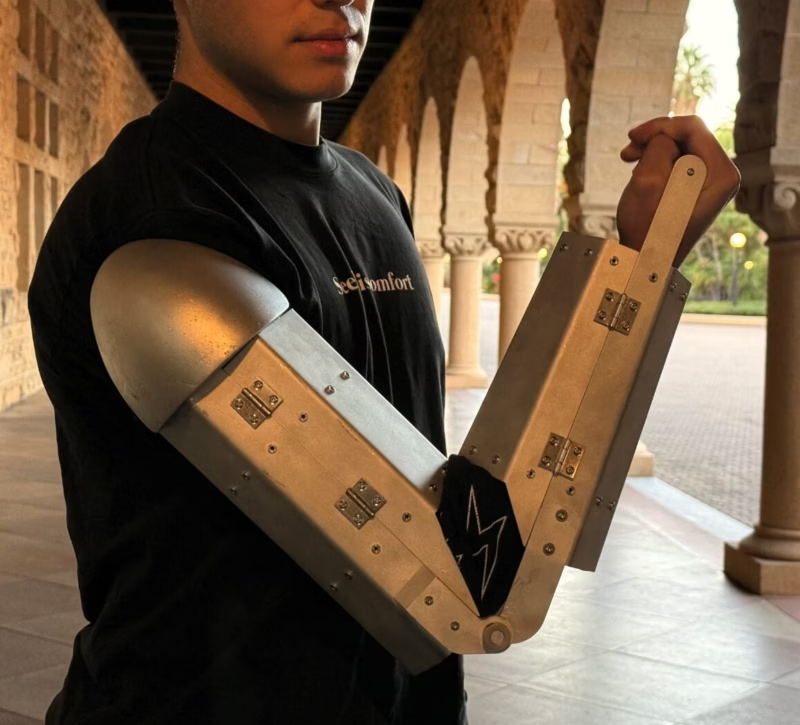
Use various machining/manufacturing methods to build custom metal armor!
Further Background
Many years ago, I built a wrist-mounted flamethrower (which can also be found on this portfolio site). I wanted something awesome that I could mount it on – hence this Mandalorian-inspired metal armor!
My design criteria were three-fold:
Should not severely limit the user’s range of motion.
Should be relatively comfortable to wear.
Should be easy to put on and remove.
Process
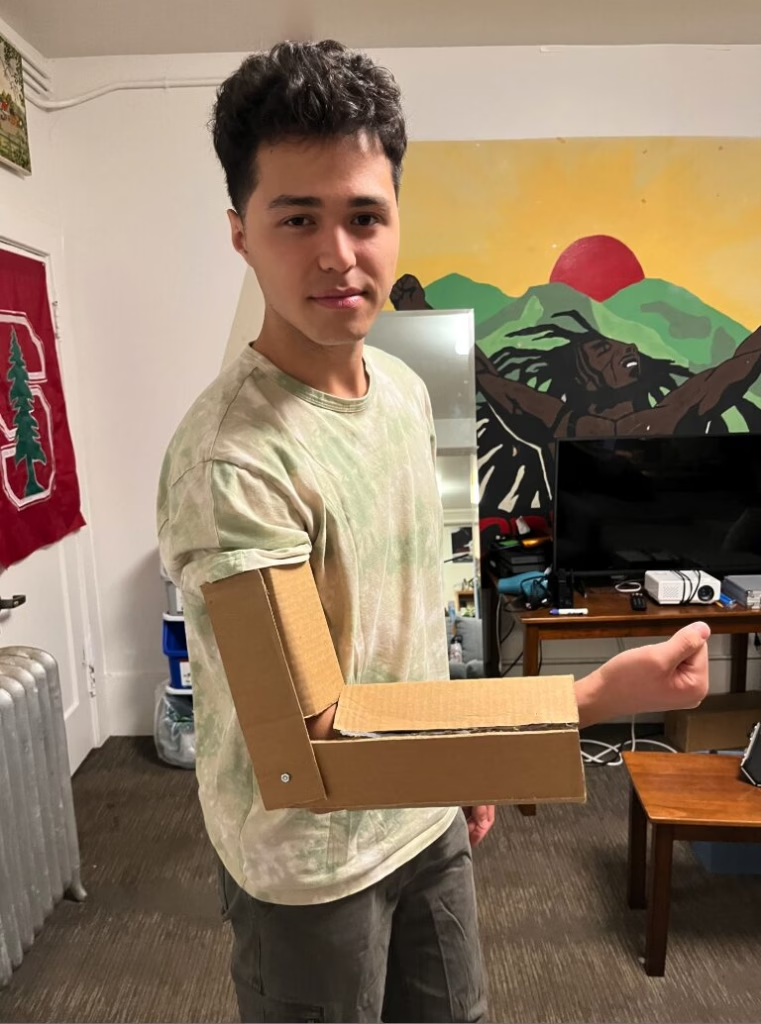
I started by prototyping the general feel for the armor out of cardboard in order to get rough dimensions and to figure out where to locate the elbow hinge.
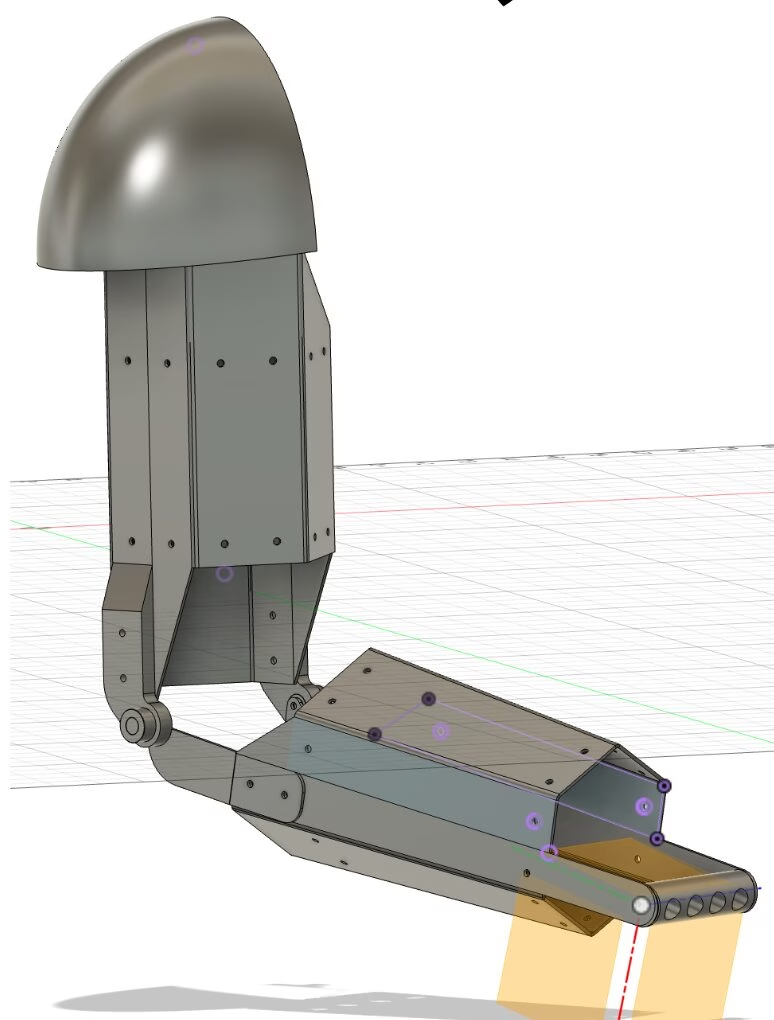
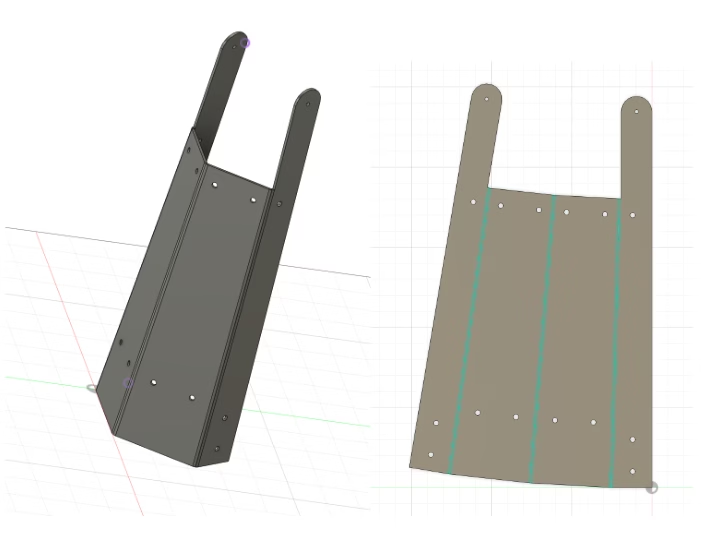
I modeled the entire gauntlet in Autodesk Fusion. The main structure of the gauntlet was designed in Fusion’s sheet metal environment, while the pauldron and hinges were done with standard solid modeling. Below are examples of one structural element designed in the sheet metal bending environment.
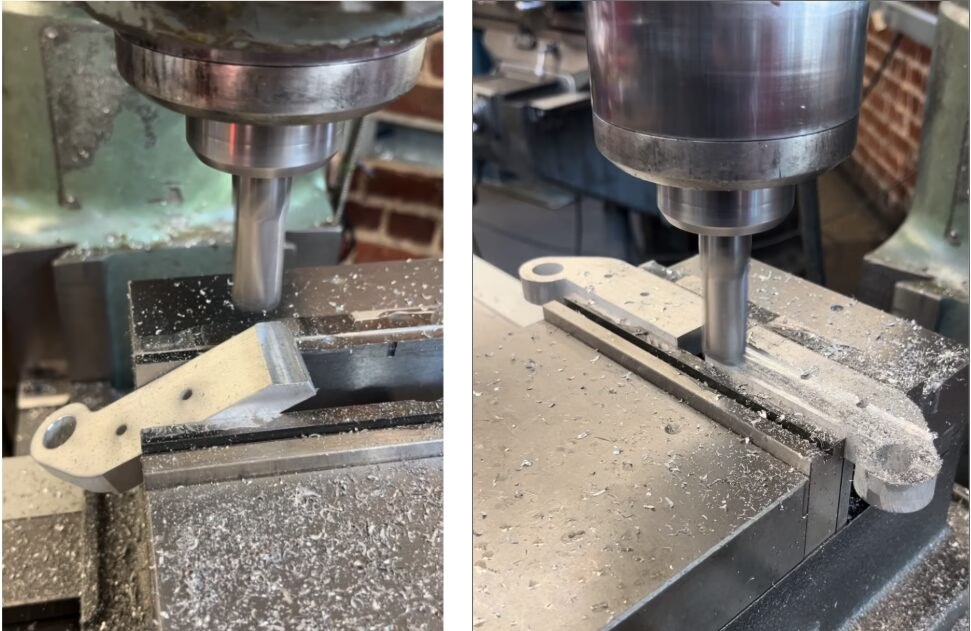
Elbow hinge brackets were done on the Bridgeport mill using an endmill, edgefinder, hole-cutting bits, a reamer, and angle blocks.
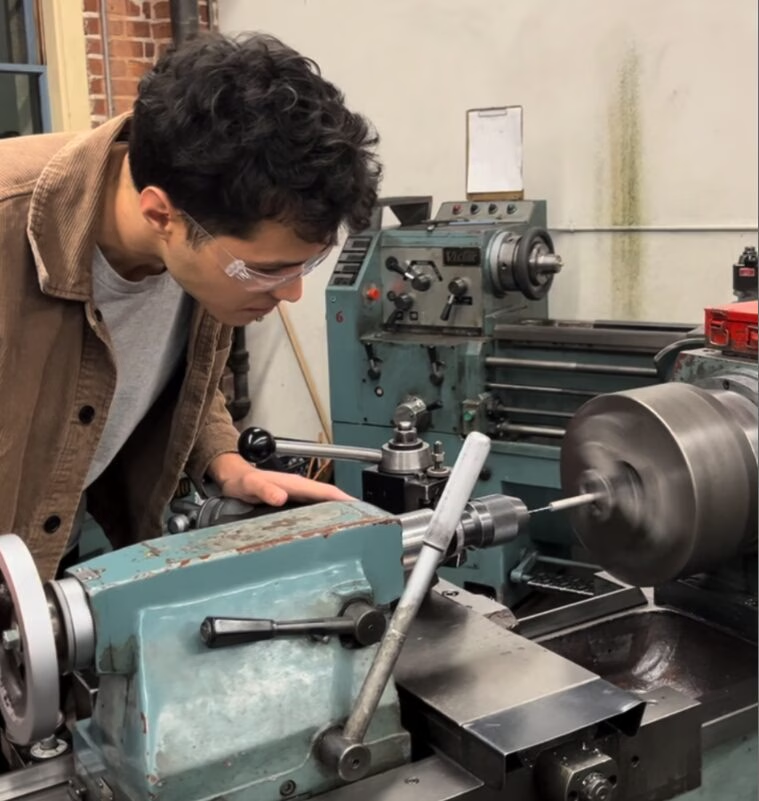
I used a manual lathe to machine the hinge rods from aluminum stock.
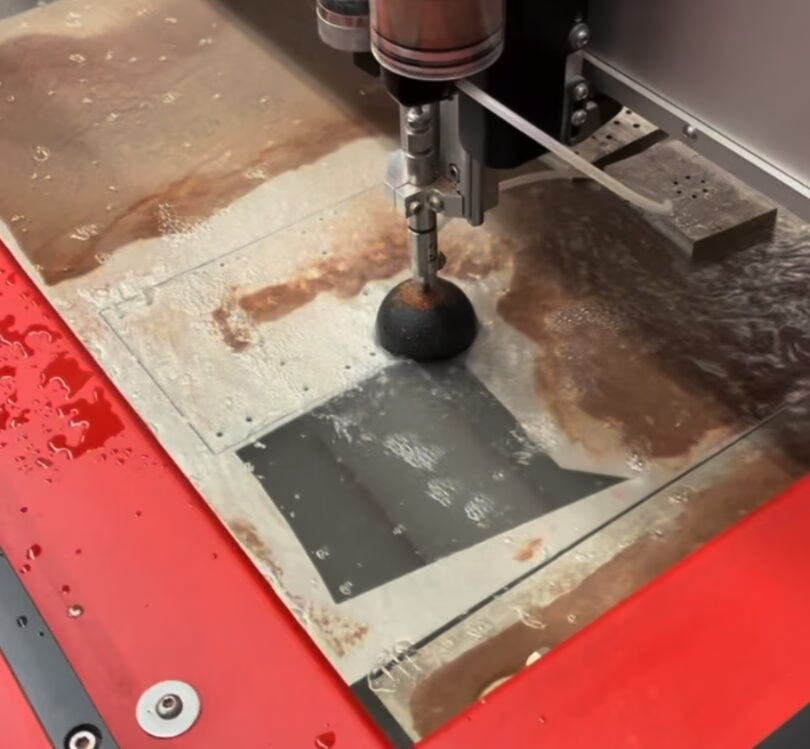
I used the PRL’s waterjet to cut the gauntlet structure from the CAD DXF’s onto 0.09” 6061 T6 aluminum sheet.
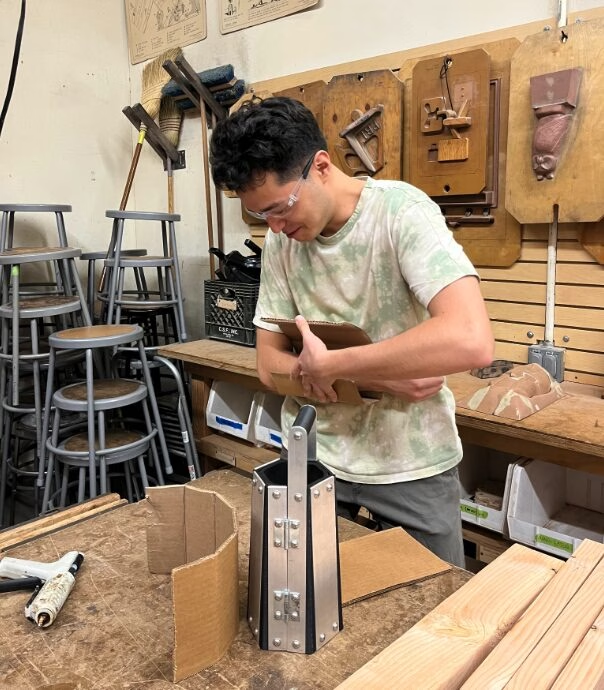
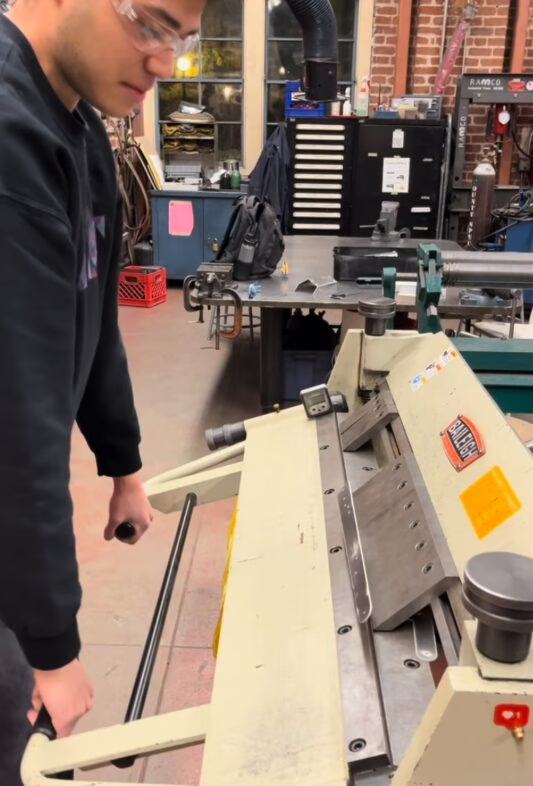
Seen here: These parts were each bent precisely to 120 degrees on the finger brake. Due to initial imprecision, I had to redo these parts several times to ensure a perfect fit.
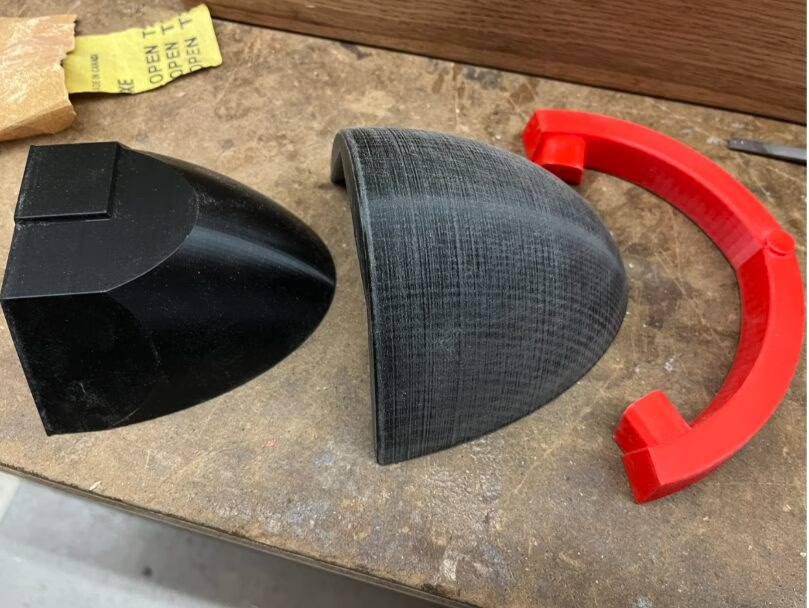
In order to sandcast the pauldron, I had to first make the pattern itself along with the gate/runner and follow block. They were each designed in Fusion and 3D printed.
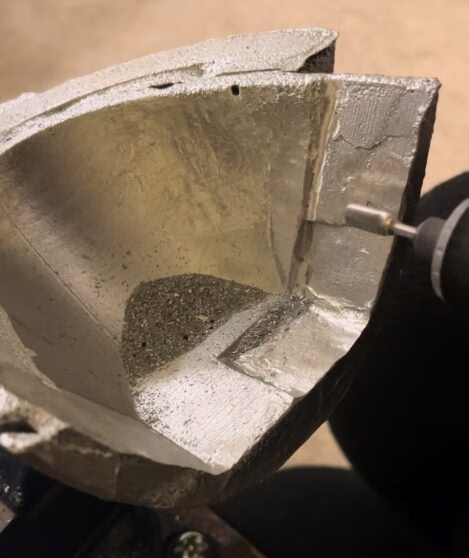
Seen here: I next needed to ram up the pauldron for a molten aluminum cast (right). I only had time for one ram-up, so I had to make it count. Lots of time was spent in “post” to clean up the part. I primarily used a Dremel rotary tool with a carbide bit for this rework (seen below).
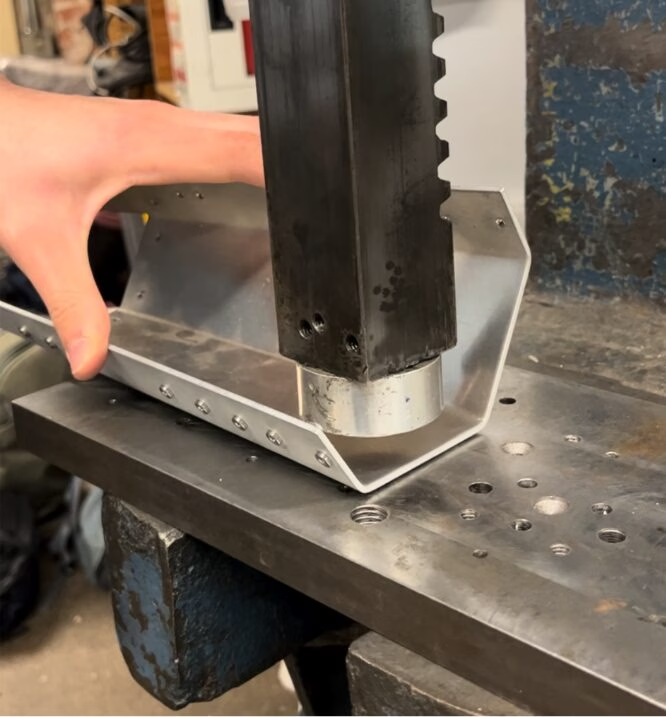
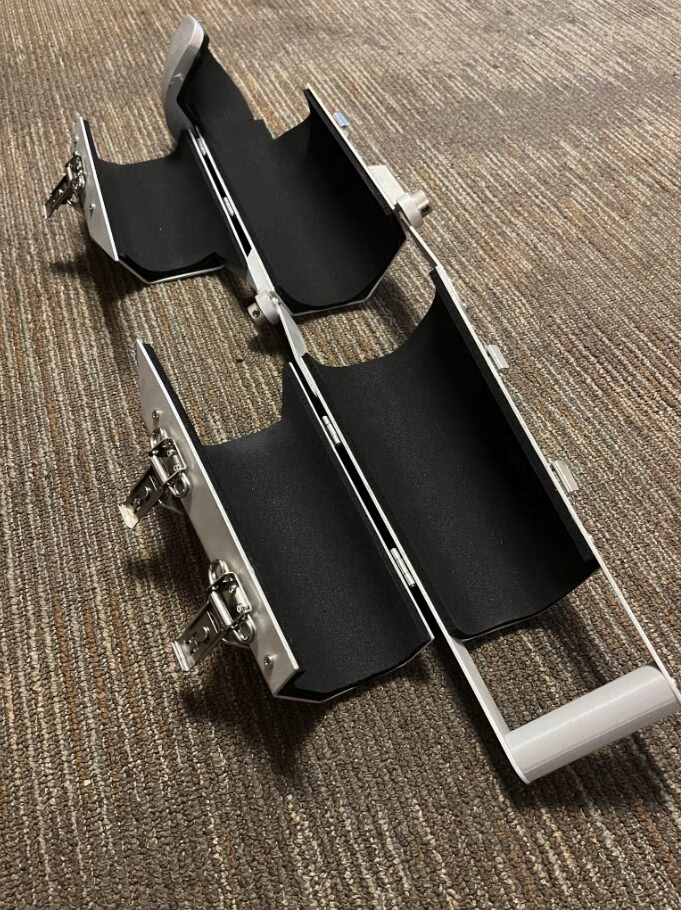
I press fit M4 pem-nut threaded inserts into the aluminum so butterfly latches and hinges could be mounted to the gauntlet. This way, the gauntlet can open and close for easy installation by the wearer.
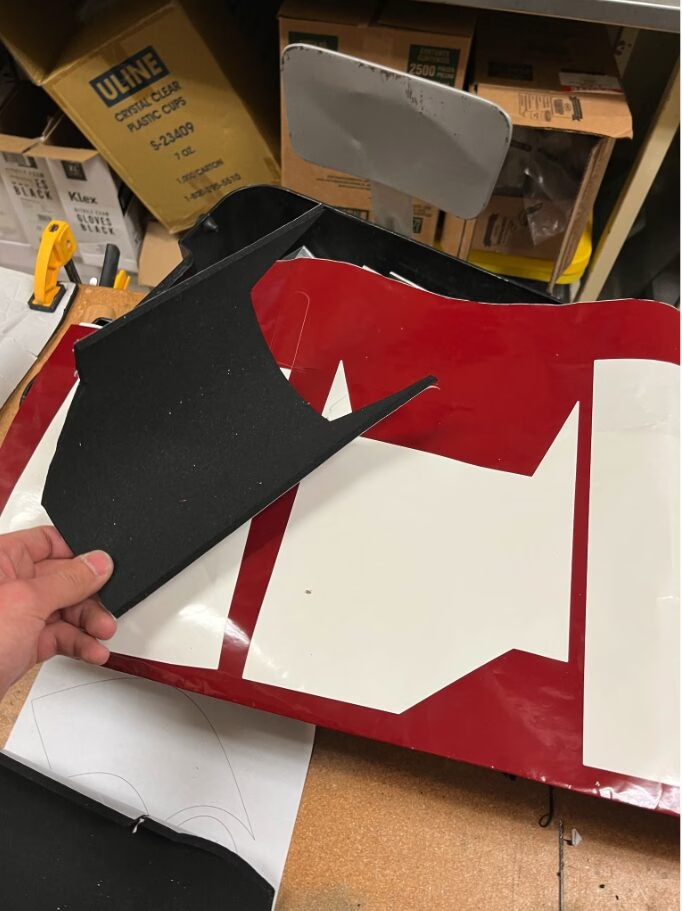
The finish was sanded down to 320 grit and then bead-blasted. The inside was lined with ¼” neoprene foam padding for comfort. Outlines for the “trace pattern” were made using an automatic vinyl cutter.
Seen here: This is the armor in its fully expanded configuration. In this configuration, it is easy for the user to slide their arm into the gauntlet before latching the butterfly latches shut.